

Orthodontics forJuniors (Ages 6–11)

Early orthodontic treatment for kids in Grand Rapids & Grandville, MI. Free screenings — catch problems before they become major issues.

Overview

The philosophy at Armbrecht & Wierenga Orthodontics is simple: treat patients at the ideal age to eliminate unnecessary work, extractions, and surgery. For children, that window often opens earlier than families expect.

The American Association of Orthodontists (AAO) recommends an orthodontic evaluation for every child no later than age 7 — when most kids are losing baby teeth and permanent teeth are just beginning to emerge. Even if everything looks fine on the surface, our doctors can detect subtle issues with jaw growth and tooth positioning that simply aren't visible to parents or general dentists.

Does My Child Need Early Orthodontic Intervention?

Not every child will require Phase 1 treatment, and we'll be honest with you if they don't. But for those who do, catching problems early can make all the difference. Waiting until all permanent teeth have arrived can allow significant problems to develop that become far harder — and more expensive — to correct later.

At both our Kentwood and Grandville locations, we offer complimentary orthodontic screenings for any child. There's no cost and no pressure — just peace of mind.
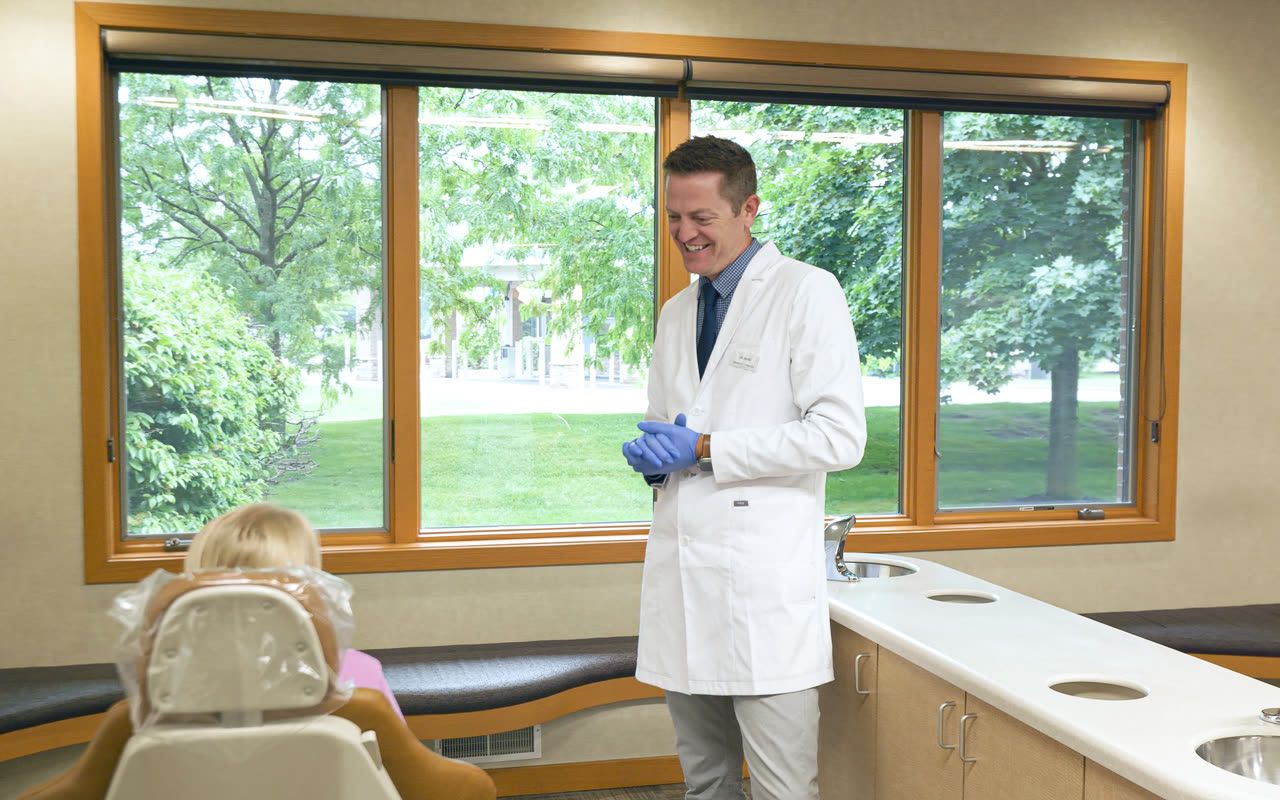
Orthodontist greeting a young child patient for an early checkup in Grandville, MI
Early evaluation, ages 7 and up

Phase 1 (Interceptive) Orthodontic Treatment

When early treatment is recommended, your child enters what's known as two-phase orthodontic treatment. Phase 1 — also called interceptive orthodontics — typically uses appliances like palatal expanders to create space for incoming permanent teeth, guide jaw growth, and correct developing bite issues.

Early treatment can:

  • 01

    Reduce or eliminate the need for tooth extractions or jaw surgery

  • 02

    Correct underbites, overbites, and open bites while the jaw is still growing

  • 04

    Address thumb-sucking habits and abnormal swallowing patterns

  • 05

    Prevent dental trauma from protruding teeth

  • 06

    Shorten — or in some cases eliminate — the need for Phase 2 braces

The Resting Period & Phase 2

After Phase 1, your child enters a "resting period" where their mouth develops naturally and remaining permanent teeth emerge — usually in better positions than they would have without intervention. We'll continue to monitor growth during this time. When the time is right, Phase 2 treatment — typically traditional or ceramic braces — fine-tunes the smile to its best possible outcome.

If your child is around age 7, or if you've already noticed spacing, bite, or jaw concerns, we encourage you to schedule a complimentary evaluation. Early orthodontics is an investment in a lifetime of healthy smiles.

Every smile we create is one that works as beautifully as it looks — designed for function, health, and confidence that lasts a lifetime.

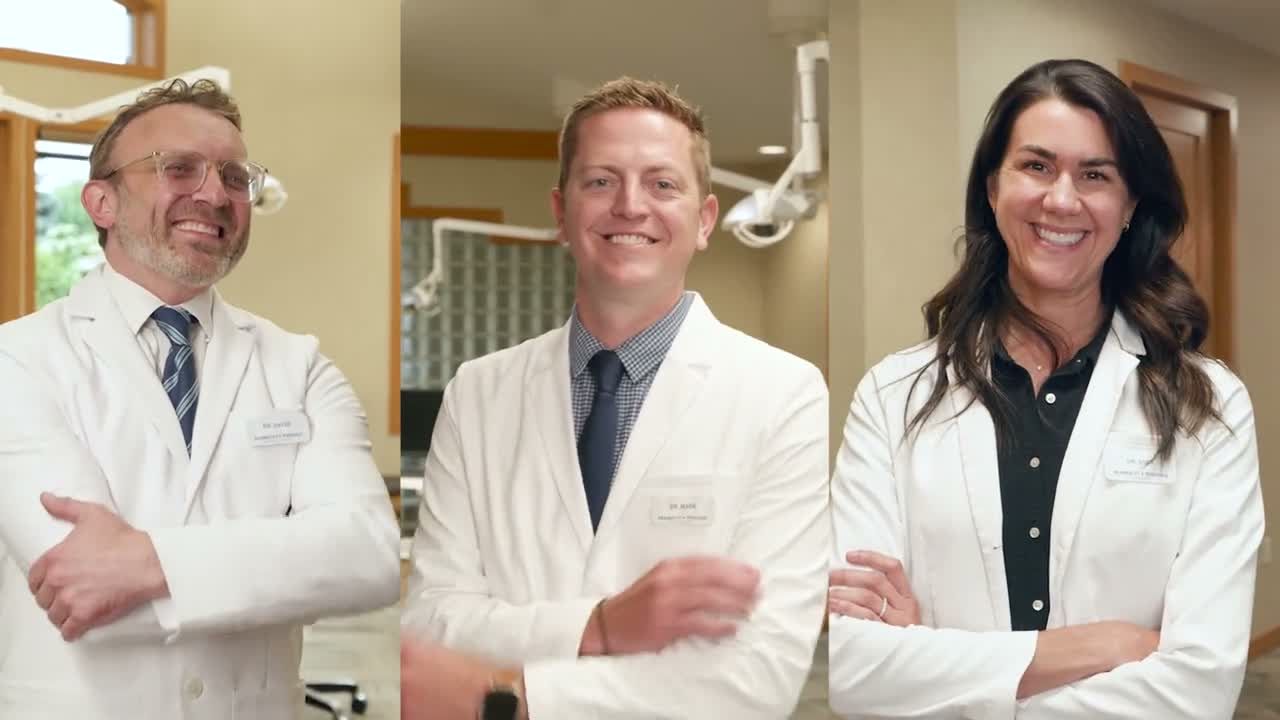
Drs. Armbrecht, Wierenga & Schwager

Let's design a smile that works for life.

Complimentary consultations at our Grandville and Kentwood offices — no cost, no pressure, just answers.